At the Conference
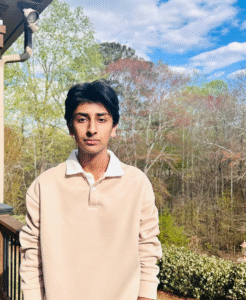
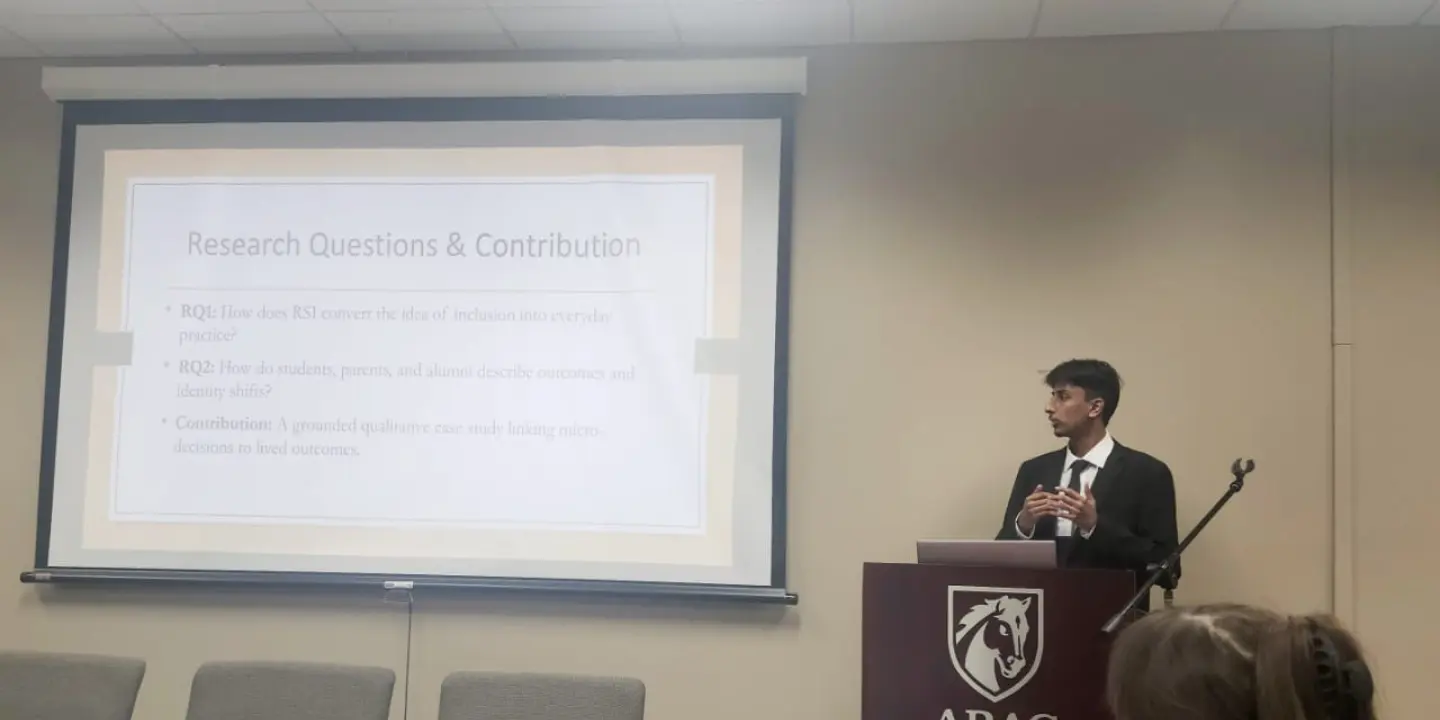
This week, I presented my research paper, “From Exclusion to Ability: Rising Sun’s Inclusive Education Model in Pakistan,” at the Georgia Sociological Association Annual Conference 2025 in Tifton, Georgia.
Standing in the Sociology of Education session at GSA, surrounded by professors and graduate students, I shared what I had seen inside Rising Sun’s classrooms in Lahore and what those stories mean for how we think about inclusion and education.
What My Research Was About
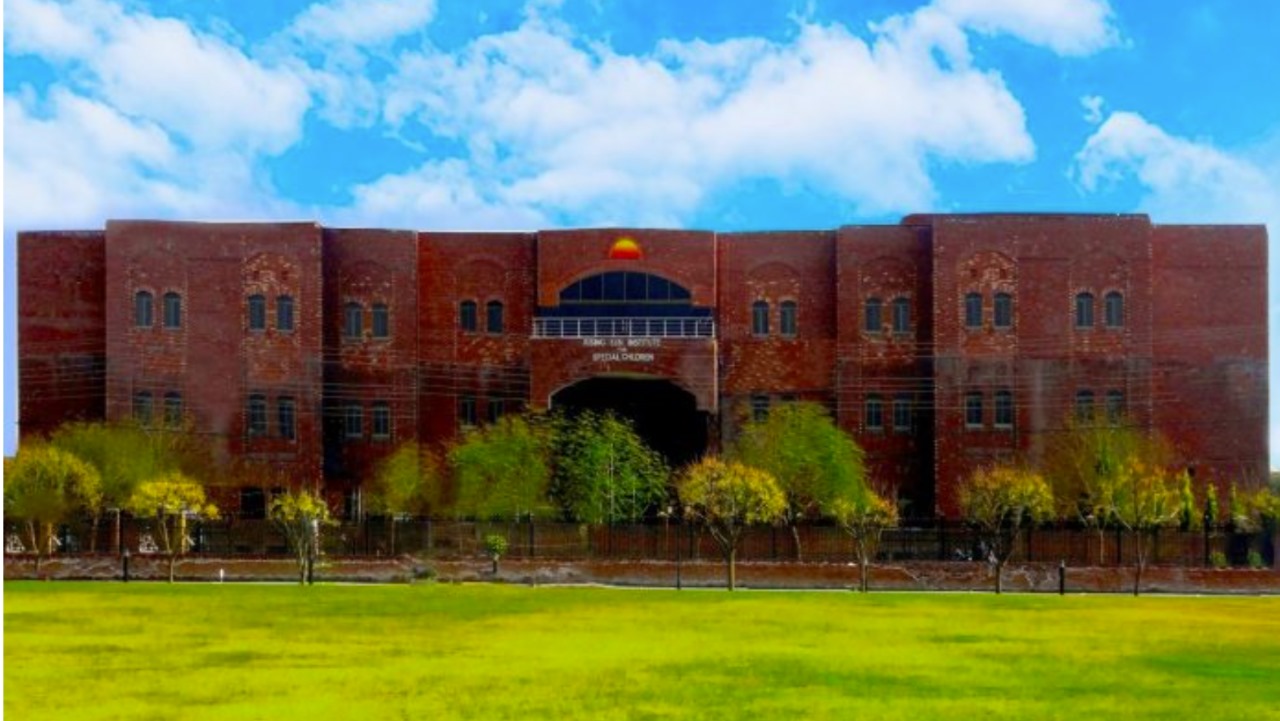
My talk was based on my paper, “From Exclusion to Ability: Rising Sun’s Inclusive Education Model in Pakistan,” which looks at how Rising Sun Institute in Lahore creates inclusive schooling for children with disabilities.
In the presentation, I shared a brief overview of the school, some key findings from my interviews and observations, and what their model can teach us about inclusion in low income settings.
If you want to dive deeper into the project itself, you can read more here:
Stepping Into the Conference Room
My session was a Sociology of Education panel with multiple papers in one 75 minute block. When I walked into the room, people were setting up laptops, reviewing notes, and getting ready to present. It was a space that usually belongs to professors and graduate students, and now my project on a school in Lahore was part of that conversation.
During my talk, I walked through:
- Why disability and education in Pakistan matter in discussions about global inequality
- How Rising Sun’s model works in practice – from classroom structure to family involvement
- What my interviewees shared about challenges, stigma, and small everyday victories
- What this might mean for how we think about inclusion in other under resourced settings
As I moved into the findings, I could see people looking up from the program and really listening. When I described how many students with disabilities are usually left out of mainstream schooling, and how Rising Sun tries to center their abilities instead of their limitations, there were nods around the room.
When the talk ended, the questions were thoughtful and specific. People asked about:
- The role of language and culture when talking about disability in Pakistan
- How a student led project like this came together with a community partner
- Which parts of Rising Sun’s model could be adapted in other low income or rural areas
Answering those questions felt less like defending a project and more like contributing to an ongoing discussion about education and equity.
People I Met and What I Learned
Presenting was only one part of the experience. Throughout the conference, I:
- Met professors and graduate students who study education, inequality, disability, and community organizations
- Heard about other projects on rural schools, policy, and access to higher education
- Got advice on how to keep building on this research and think about next steps
What stayed with me the most was how seriously people engaged with the work. Nobody treated it as something small just because I am in high school. They asked real questions, gave feedback, and encouraged me to keep going. It showed me that youth led research can sit alongside academic work when it is grounded in real communities, careful methods, and a clear purpose.
Why This Moment Matters For Me and Rahe ILM
For me, this conference was not just an event to attend. It was a chance to bring stories from classrooms in Lahore into an academic space in Georgia and see them taken seriously.
I was sharing the experiences of children with disabilities in Pakistan and the people fighting to make sure they get an education, and I was able to place those stories in front of people who think about education systems for a living.
This matters for Rahe ILM because it shows another side of our work:
- Not only running projects and fundraisers
- But also listening, collecting data, and learning from partners like Rising Sun
- Then using that learning to inform how we design future projects and advocacy
Presenting at GSA helped me see myself not only as a student and organizer, but also as a researcher who can help document what inclusive education looks like on the ground. It is already shaping how I think about future work on special education, community based schools, and support for children with disabilities.