Research Project: From Exclusion to Ability — Inside Rising Sun’s Inclusive Education Model
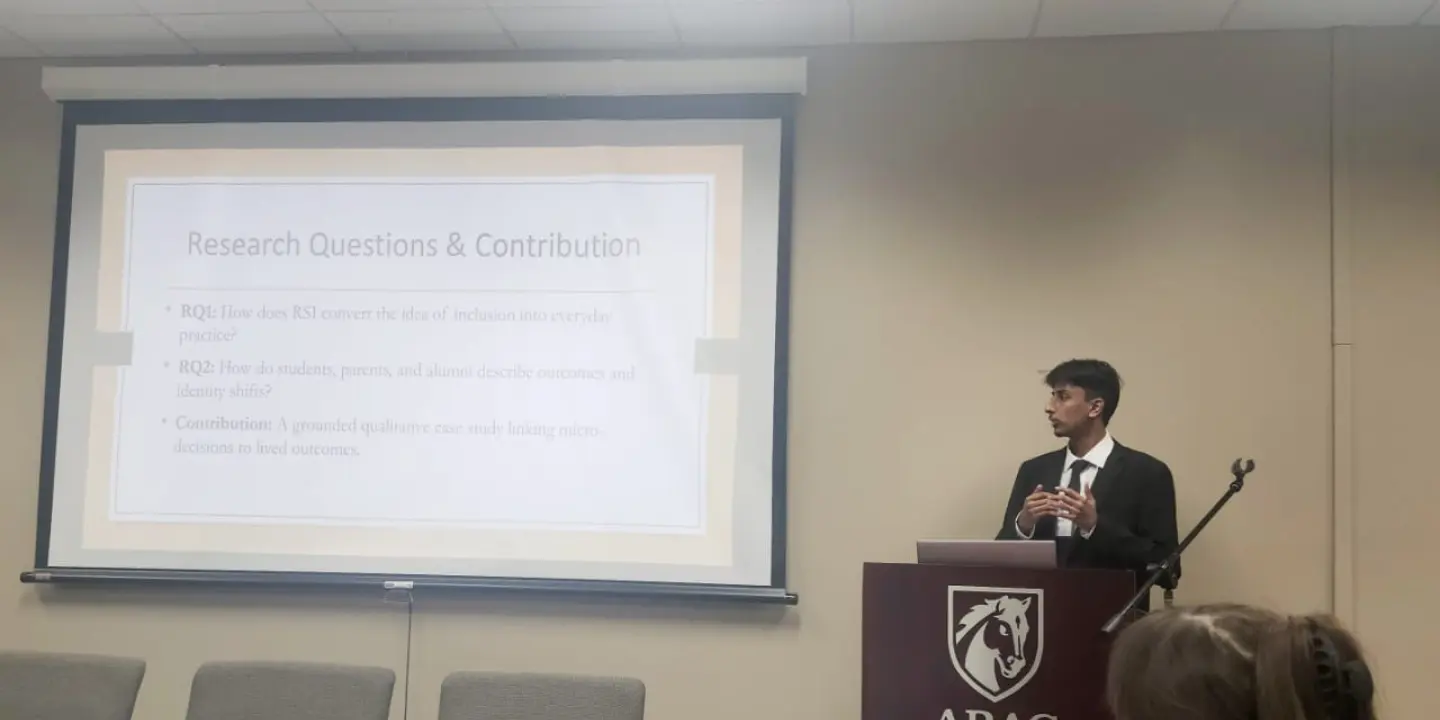
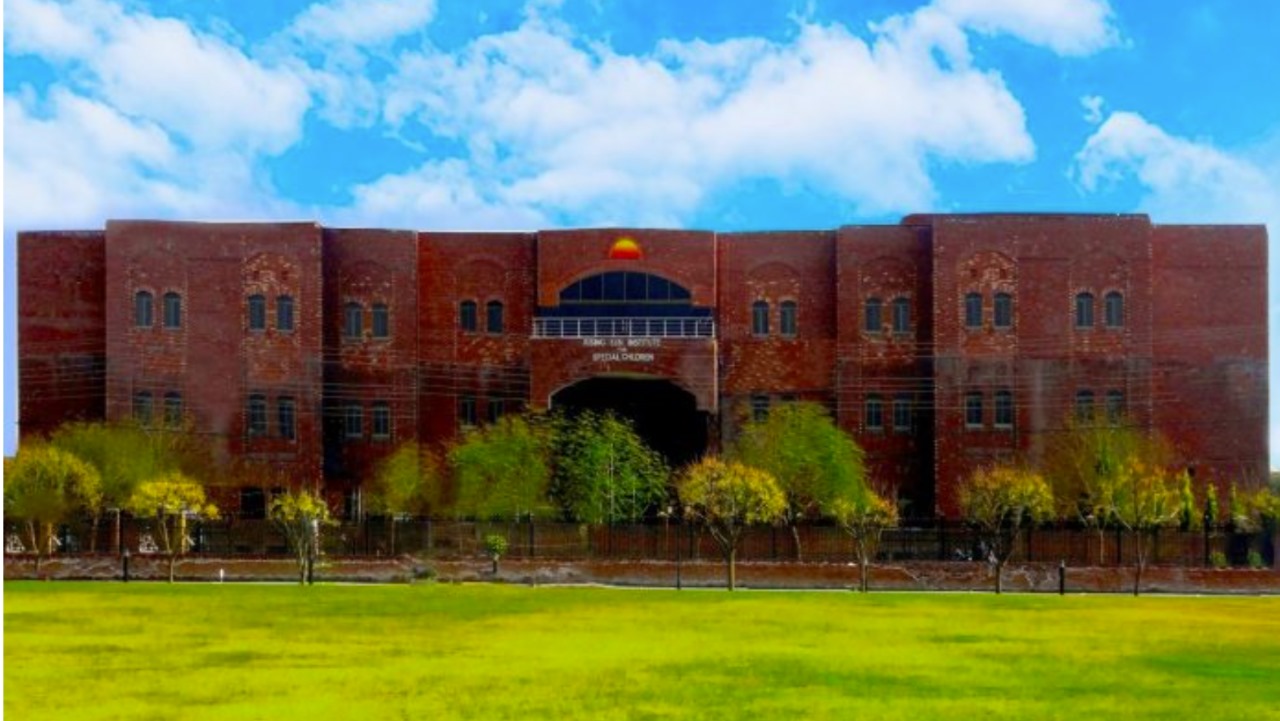
In Pakistan, children with disabilities are too often kept out of classrooms; not because they can’t learn, but because systems aren’t built for them. I have conducted a qualitative case study on Rising Sun Institute (RSI) to understand how a community-based organization turns the idea of inclusive education into everyday reality. To anchor the study, I researched extensive peer reviewed literature and engaged with several experts and professionals from University of Georgia (UGA) and Georgia State University (GSU). During a 10-day field visit to Lahore, I also interviewed RSI leadership, Alumni, teachers and students in Urdu (translated to English), collected ethnographic observations, and reviewed secondary organizational documents. I focused my RSI study to investigate the following points:
- What supports actually help children with disabilities get into school – and stay there?
- What does an inclusive school day feel like to students, families, and teachers?
- After school, what enables graduates to move into work and further study?
The Findings of the study revealed that:
- “Disability is not inability” is a working practice, not a slogan at RSI. Calmer classrooms, predictable routines, therapy alongside academics, and a reliable seat on the van turned access into learning.
- Identity shifted from “burden” to “capable.” Parents described fewer tears in the morning, more confidence, and community respect; alumni linked school routines to workplace readiness and dignity.
- Challenges include Funding gaps, lingering stigma, limited teacher training outside RSI, and transport coverage still get in the way.
- Practical steps for scale. Stable transport, parent education, disability-informed teacher training, accessible facilities, and employer partnerships can extend inclusion beyond one campus.
Abstract (from the paper)
Educational inequality in Pakistan has a significant impact on children with disabilities. Community Based Organizations (CBOs) often bridge such gaps. The objective of this study was to examine the Rising Sun Institute (RSI) to understand how CBO’s can succeed in converting the idea of inclusive education into reality. To conduct this research, I used a qualitative case study approach, interviewing RSI leaders, alumni and two currently-sponsored children. I also engaged in ethnographic research and analyzed secondary data during my 10-day field trip to Pakistan. All interviews were conducted in the participants’ and my native language, Urdu, and translated to English for analysis. The study findings demonstrate RSI’s significant success in providing disability-informed education to children with disabilities and their parents.
RSI’s clear founding ethos, “disability is not inability” was evident within every aspect of their programming; transforming students’ identities from “burden” to “capable.” I found that intentional institutional decisions (calmer classrooms, accessible transport and therapy alongside academics) helped Pakistani children with disabilities and their families. Parents reported less tears in the morning, increased confidence and visible community respect. Moreover, alumni linked regular school routines to workplace readiness and dignity. This study also summarized ongoing challenges for CBO’s such as unstable funding, lingering stigma and limited teacher training. It highlighted practical steps that schools/policy-makers can implement such as reliable transport, parent education, and employer partnerships. This single-site project offers a rich case-study analysis and future research could expand by exploring patterns across regions in Pakistan and tracking longitudinal outcomes for graduates.